@admin9.8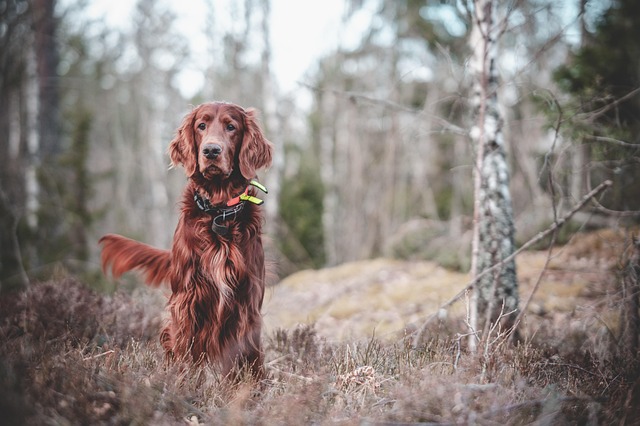
If you’ve ever seen an Irish Setter, you know just how stunning this breed is. Their rich mahogany coats, long feathered ears, and elegant build make them a showstopper in any park. But beyond their beauty, one common question always pops up, how big do Irish Setters actually get?
If you’re thinking about bringing one into your home, or you’re just curious about their size, this detailed guide will walk you through everything, height, weight, growth stages, gender differences, and what you can expect as your Irish Setter matures. From my own personal experience, understanding their growth patterns early on helps you prepare better, whether for space, diet, or exercise needs.
Let’s jump in.
Let’s Understand the Irish Setter Breed Here
Before we talk about size, it’s helpful to understand where Irish Setters come from and why they look the way they do.
The Irish Setter is a breed that originated in Ireland, developed primarily as a bird-hunting dog. Their job was to locate and “set” game birds so hunters could approach. Because of this, breeders aimed for a combination of speed, endurance, and grace. That’s why Irish Setters have long legs, lean bodies, and athletic frames, they were made to run for long distances without tiring easily.
Today, while many are beloved family pets, they still carry that same athletic build that once made them incredible field dogs.
Average Size of an Adult Irish Setter
So, let’s get to the main question, how big do Irish Setters get?
Male Irish Setters
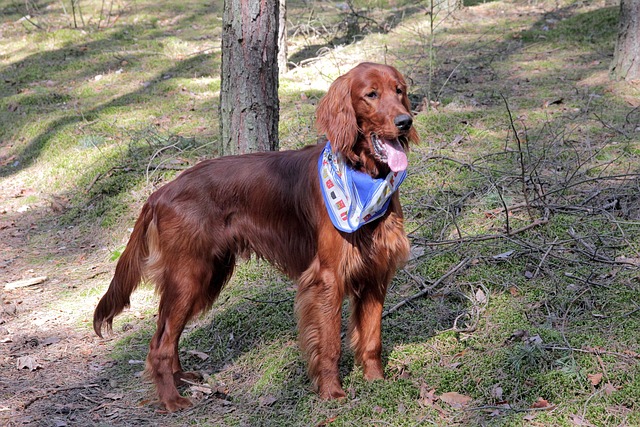
Male Irish Setters are generally larger and more muscular than females. On average, a fully grown male stands between 27 to 29 inches (68 to 74 cm) tall at the shoulder and weighs around 65 to 75 pounds (29 to 34 kg).
They often look slightly more solid in the chest and shoulders while maintaining that graceful, flowing movement that makes them so recognizable.
Female Irish Setters
Females are a bit smaller but still tall and elegant. A typical adult female stands around 25 to 27 inches (63 to 69 cm) and weighs about 55 to 65 pounds (25 to 30 kg).
Their frame tends to be more slender, with a lighter bone structure, giving them a more refined and delicate look—though they’re just as energetic as males.
Growth Stages: From Puppy to Adult
If you’re raising an Irish Setter puppy, you’ll notice they go through several noticeable growth stages. Each stage has its own quirks, from awkward lanky months to finally filling out into that signature elegant look.
1. Puppy Stage (0–6 Months)
At birth, Irish Setter puppies are surprisingly small for a breed that will grow so tall, usually weighing just 1 to 1.5 pounds (0.5 to 0.7 kg).
By six months, they’ll typically weigh between 35 to 45 pounds (16 to 20 kg) and stand about 20 to 23 inches (50 to 58 cm) tall.
This stage is full of fast growth spurts, meaning their appetite will skyrocket. You’ll notice their legs growing faster than their bodies, giving them a lanky, almost awkward look for a while. Don’t worry—this is completely normal.
2. Adolescent Stage (6–12 Months)
During this stage, Irish Setters begin to look more like mini adults, though they’re still growing. Their bones, joints, and muscles continue to develop, and they’ll gain both height and weight.
By their first birthday, many will reach about 90% of their adult height, but they’ll still be filling out physically.
3. Adult Stage (1–2 Years)
Between 12 and 24 months, your Irish Setter will transition into full adulthood. Most of their height is achieved by 18 months, but they’ll continue to gain muscle and mass until around their second birthday.
This is the stage where their chest broadens, their coat becomes fuller, and their personality settles a bit—though Irish Setters are always playful at heart.
Factors That Influence Their Size
Just like humans, several factors can influence how big your Irish Setter grows. Let’s go through the most important ones.
1. Genetics
This is the main factor. If your Setter’s parents were on the larger side, there’s a good chance your dog will be too. Responsible breeders track lineage carefully, ensuring both size and temperament remain consistent.
2. Nutrition
Proper nutrition is essential for healthy growth. Puppies need a high-quality diet rich in protein, calcium, and vitamins to support bone and muscle development. Feeding low-quality food or skipping meals can lead to slower growth or even developmental issues.
From my own personal experience, feeding a balanced puppy formula during the first year made a noticeable difference in how evenly my Setter grew. Once they transition to adult food, maintaining portion control helps prevent excess weight gain.
3. Exercise
Irish Setters are high-energy dogs that need regular exercise. Physical activity doesn’t just keep them fit—it also strengthens their muscles, improves bone health, and supports their overall growth.
Puppies shouldn’t overexercise, as too much running or jumping before their bones fully develop can cause joint problems later on. Short walks, gentle play, and controlled running sessions are best until they’re about 18 months old.
4. Health and Care
Routine vet checkups, parasite prevention, and early detection of any health issues all play a part in healthy growth. Issues like poor digestion or parasites can affect nutrient absorption, which can delay proper development.
Comparison Irish Setters to Other Breeds
To help you get a clearer picture, here’s how Irish Setters stack up against other breeds in terms of size:
| Breed | Height (inches) | Weight (lbs) |
|---|---|---|
| Irish Setter | 25–29 | 55–75 |
| Golden Retriever | 21–24 | 55–75 |
| Labrador Retriever | 21–24.5 | 55–80 |
| English Setter | 24–27 | 60–80 |
| Border Collie | 18–22 | 30–55 |
As you can see, Irish Setters are slightly taller than Golden or Labrador Retrievers but maintain a leaner frame. They’re built for speed and endurance rather than sheer strength.
Is the Irish Setter a Large Breed?
Yes, Irish Setters are considered large dogs, though they’re on the leaner side of that category. They’re taller than many medium-sized breeds but not as heavy as other large dogs like Rottweilers or German Shepherds.
Their size, combined with their energy and intelligence, means they thrive in homes that give them space to run and explore. They’re not ideal for small apartments unless you’re committed to long daily walks and mental stimulation.
How to Support Healthy Growth
You can’t control genetics, but you can absolutely support your Irish Setter’s development through good habits.
1. Provide a Balanced Diet
Feed your Setter high-quality dog food appropriate for their age and size. Look for brands that list real meat as the first ingredient and avoid fillers like corn or soy.
Divide their meals into two or three portions daily to maintain steady energy and prevent bloat, a condition large breeds can be prone to.
2. Schedule Regular Vet Visits
Regular health checks ensure your dog is growing at a healthy rate. Your vet can measure their weight, check their joints, and advise if they’re developing too fast or too slow.
3. Keep Them Active
Daily exercise is non-negotiable. Setters were bred to run, so they need plenty of physical and mental stimulation. Activities like fetch, swimming, or hiking are great options.
Just be careful not to overdo intense exercise while they’re still growing. Controlled activity supports healthy bone growth without overstraining their joints.
4. Provide Rest and Comfort
After exercise, your Irish Setter needs a comfortable space to rest. Soft bedding and a quiet environment help muscles recover and support healthy development.
Common Growth-Related Health Concerns
Because of their size, Irish Setters are prone to certain health conditions that can be linked to growth. Understanding them helps you take preventive steps.
1. Hip Dysplasia
This genetic condition affects many large breeds and can lead to discomfort or mobility issues. Maintaining a healthy weight and providing joint-support supplements can reduce the risk.
2. Elbow Dysplasia
Similar to hip dysplasia, this affects the front legs and may cause stiffness. Avoid excessive jumping or long runs on hard surfaces, especially while your Setter is still growing.
3. Bloat (Gastric Dilatation-Volvulus)
Large, deep-chested breeds like Irish Setters can suffer from bloat—a serious condition where the stomach twists. Feeding smaller meals and avoiding exercise right after eating can lower the risk.
4. Growth Plate Injuries
Puppies are naturally curious and full of energy, but too much jumping or rough play can lead to joint injuries that affect growth plates. Always supervise playtime and keep high-impact activities minimal until adulthood.
When Do Irish Setters Stop Growing?
Most Irish Setters reach their full height by 18 months, but they keep filling out until around 2 years old. Some may take a little longer to develop muscle definition, especially males.
During this period, patience is key. You might think your Setter looks too thin or leggy, but this breed naturally grows into its frame over time. Once they mature, their graceful, athletic build becomes unmistakable.
Are Irish Setters Suitable for You?
Their size might sound intimidating at first, but Irish Setters make incredible companions if you can meet their physical and emotional needs.
They’re affectionate, loyal, and playful, but they need space to burn off energy. A large backyard or regular outdoor activities will make them happiest. They also love being around their family, so leaving them alone for long hours isn’t ideal.
If you live an active lifestyle—running, hiking, or spending time outdoors—an Irish Setter might fit perfectly into your life.
Final Thoughts
So, how big do Irish Setters get?
In short:
Males reach 27–29 inches and 65–75 pounds.
Females reach 25–27 inches and 55–65 pounds.
They’re tall, athletic, and lean—built for activity and companionship.
From my own personal experience, once you bring an Irish Setter into your life, their size becomes less about numbers and more about presence. They fill your home with energy, love, and a playful spirit that’s hard to match.
If you’re ready to welcome one, make sure you can match their zest for life. Give them space, time, and care—and in return, you’ll have one of the most loving and loyal dogs by your side.